The oat is neutral enough to change meals
Whole Foods Market's 2026 forecast highlights a broader interest in fiber-containing foods. Oats fit that pantry conversation, though the forecast does not prove that this particular dinner format is a growing search query. Oregon State University's Food Hero also documents savory oatmeal as an ordinary cooking option. The interesting work is deciding how to make the bowl taste like an intentional dinner: a suitable consistency, well-seasoned accompaniments, and at least one texture beyond soft grain.
Put it to work
Useful tools, at a glance
Skillet sauces and ordinary browning in uncoated stainless steel
Tramontina Signature 10-inch Tri-Ply Clad Fry Pan
Choose the cut for the evening you have
Rolled oats create a relatively quick, soft base. Steel-cut oats offer a different chew and usually need more time. Quick oats become tender faster and can make a smoother bowl. These are different ingredients for planning purposes, even when they come from the same grain. Read the package and use its starting liquid ratio and cooking guidance. A recipe designed for one cut should not be expected to behave the same way with another without adjusting the method.
Use plain oats rather than a sweetened breakfast packet unless that flavor is deliberately part of the dish. Check the ingredient list, especially if the package uses a broad description such as original or classic. For a medically necessary gluten-free diet, select appropriately labeled oats and verify the entire meal's requirements, since processing and added ingredients matter. The choice of grain is only one part of that assessment. A savory appearance does not establish suitability for every eater.
Cook a base that leaves room for the topping
Water gives the cleanest view of the oats' flavor, while broth makes the base more explicitly savory. Use a broth you like and account for its salt before adding cheese, soy sauce, or another concentrated seasoning. Bring the oats to the texture you want using the package method, stirring as needed to prevent sticking. If the bowl becomes too thick before the grain is ready, add a little appropriate hot liquid rather than trying to force dry oats to soften.
Aim for a base that can hold a topping but still move easily under the spoon. Oats thicken as they stand, so a mixture that seems just pourable in the pot may become firmer on the table. Keep a little warm liquid available to adjust it near serving. A small amount of butter or oil can round out the flavor, but it cannot replace seasoning. Taste the grain itself before hiding it under vegetables; a bland base remains part of every mouthful.
Mushrooms need their own pan time
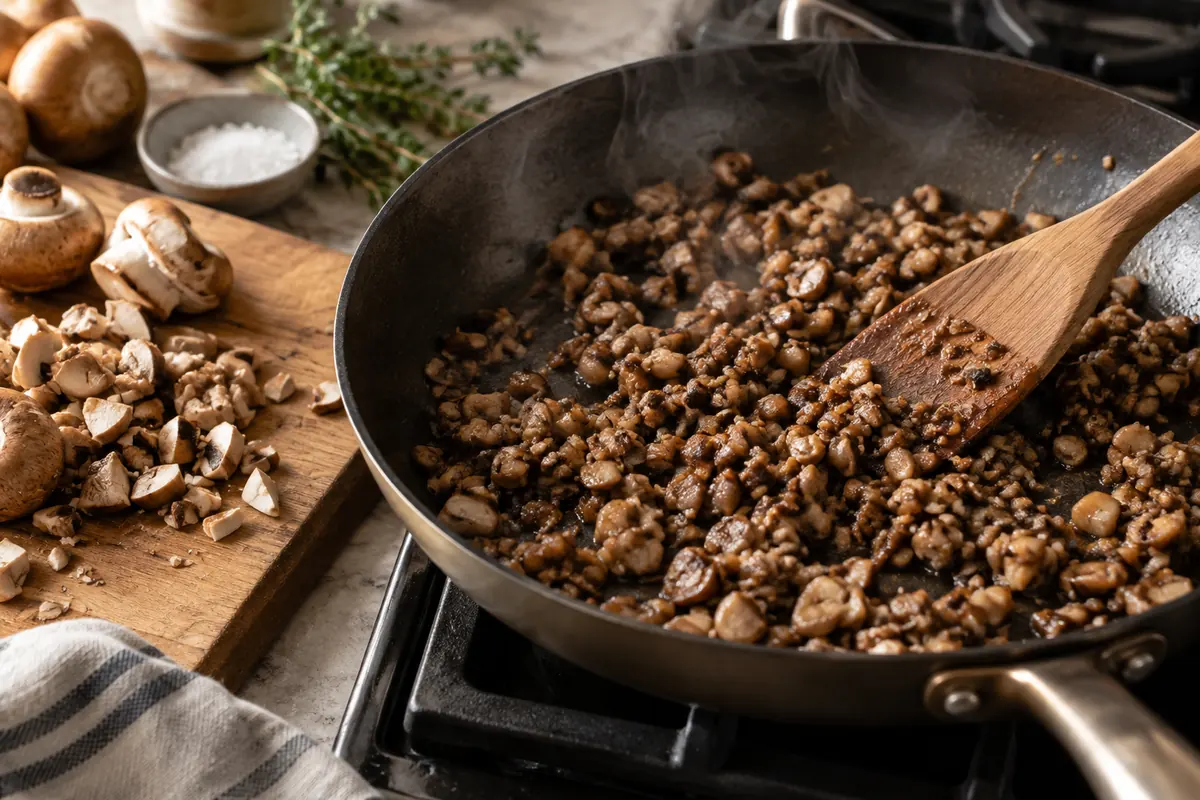
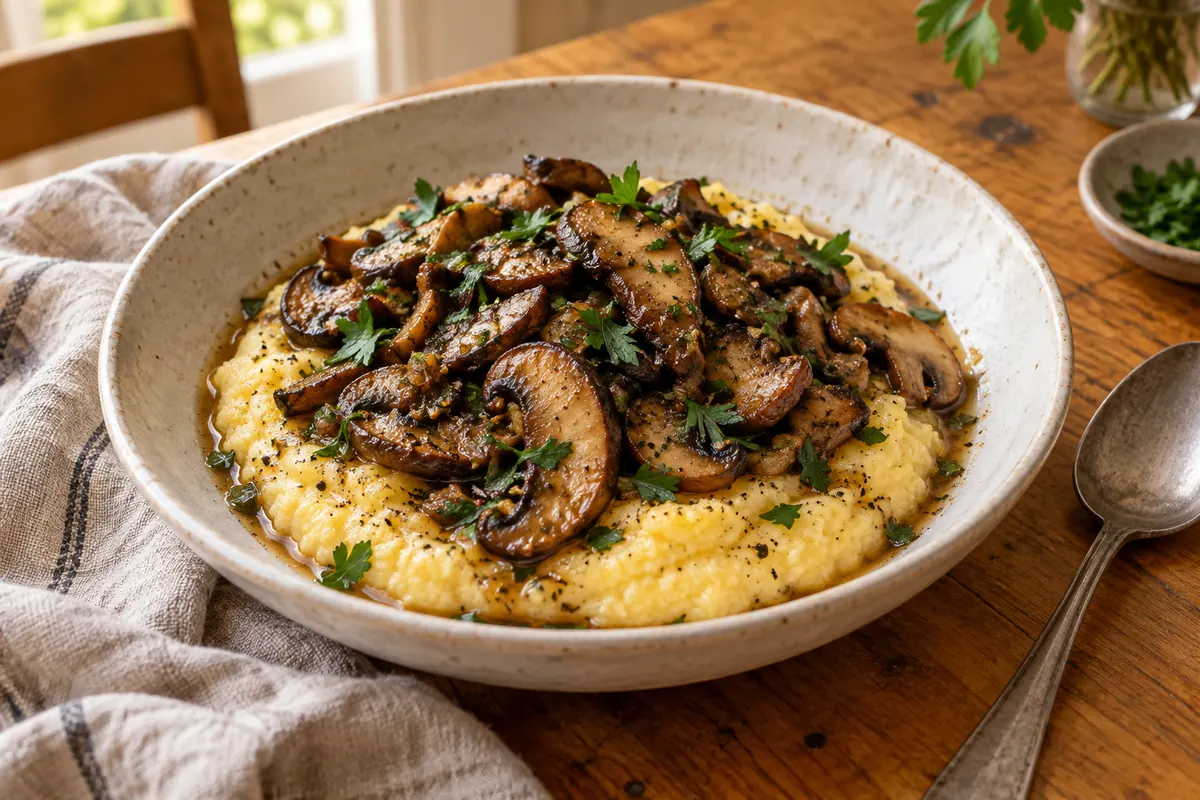
Browned mushrooms are an appealing topping because they add a firmer texture and a more concentrated savory flavor. Cook them separately in a wide pan so released moisture can evaporate. Stirring raw mushrooms directly into nearly finished oats produces a different effect: softer mushrooms, more liquid, and little opportunity for browning. Choose that version only if it is the texture you want. A separate skillet stage gives more control over both the grain and its topping.
Cut mushrooms to a size that remains comfortable on a spoon. Add garlic late enough that it does not scorch while the mushrooms release water, then finish with herbs or pepper as desired. A little lemon can brighten the topping, but add it gradually and taste it with the oats. The topping may seem strong on its own because it must season a mild base. Serve some of the mushrooms partly exposed so their texture remains noticeable rather than stirring every piece into the porridge.
Greens, beans, and eggs solve different needs
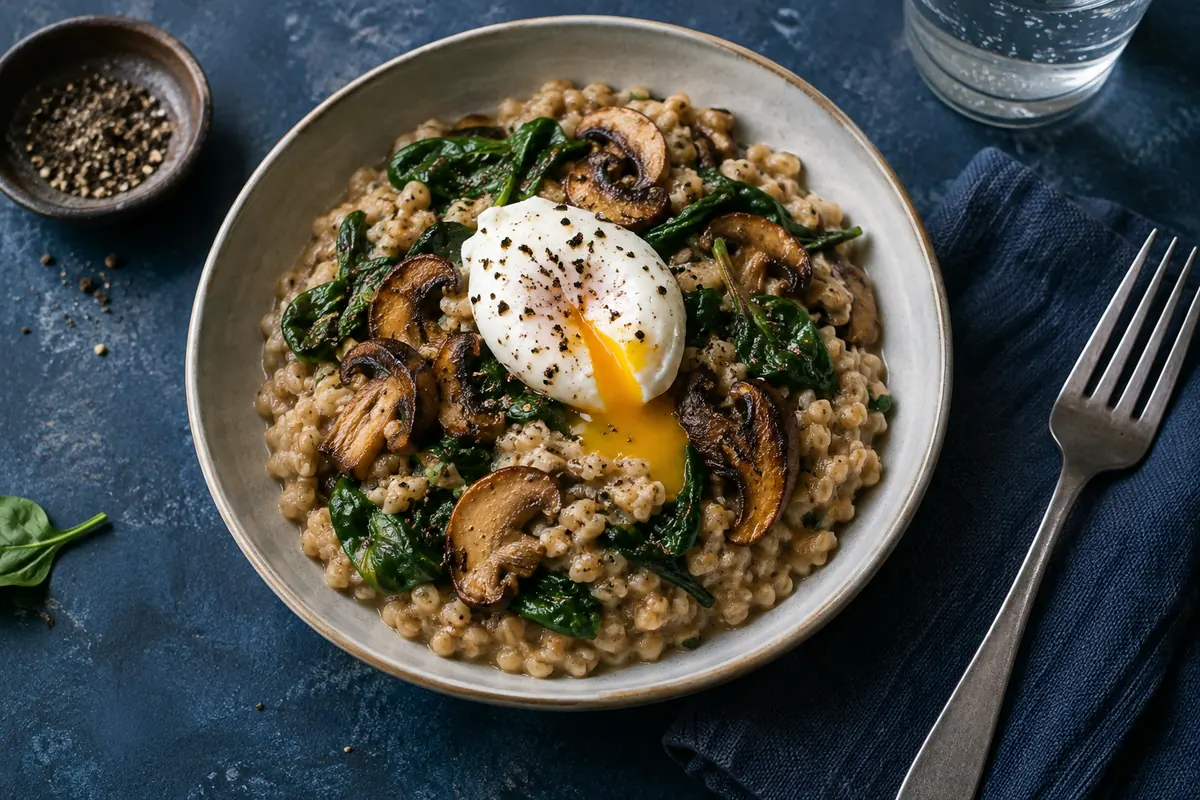
Cooked greens can bring color and a fresher flavor, but squeeze or drain them appropriately if they hold a lot of liquid. A heap of wet spinach can loosen the whole bowl. Beans make the meal more substantial and add another soft texture, so pair them with a crisper element if the bowl otherwise feels uniform. A modest spoonful may be enough. More ingredients do not automatically create a better dinner when they all contribute the same consistency.
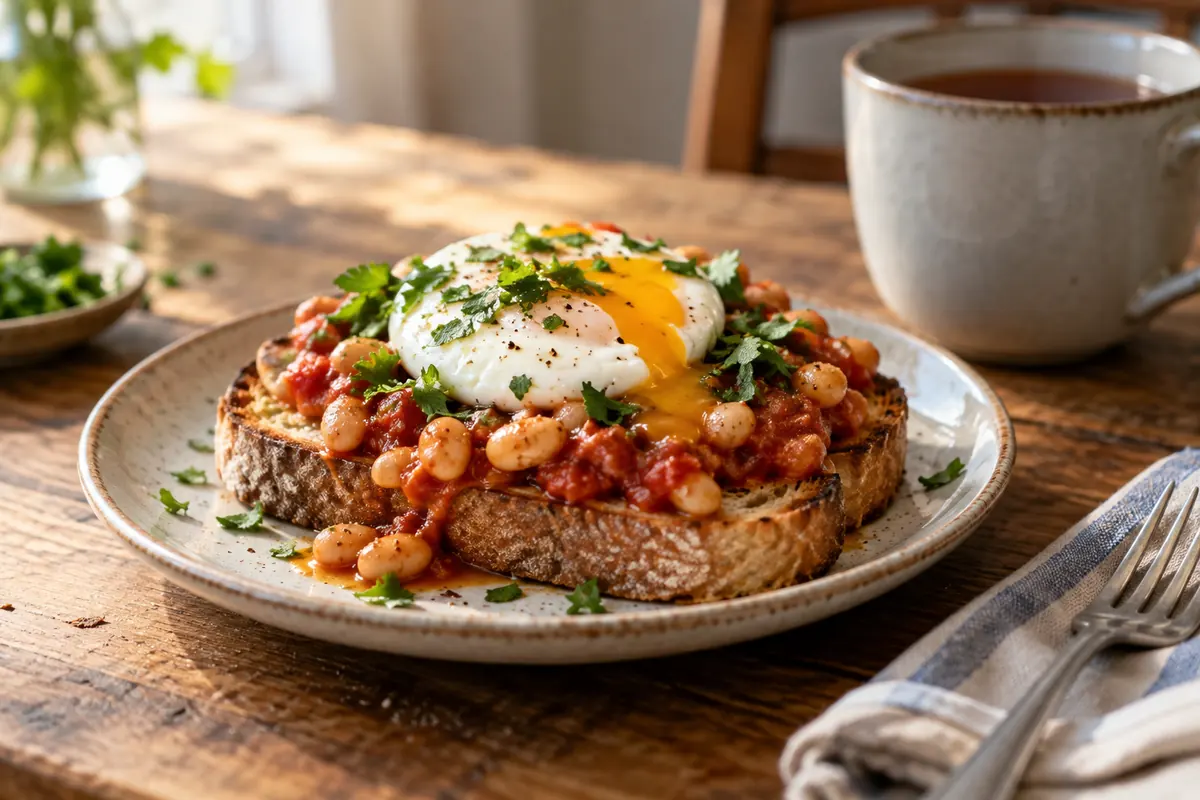
An egg can sit on top or join a separate preparation, depending on the complete recipe. Cook it safely for the eater's circumstances and keep raw egg handling separate from ready-to-eat toppings. Cheese can make the oats richer, but add it with attention to heat and salt. A small amount of finely grated cheese may distribute more evenly than large chunks. Decide whether the meal's main character is mushrooms, greens, beans, or egg, then let the remaining ingredients support that choice.
Finish with contrast rather than clutter
A crisp garnish is especially effective when the base is soft. Toasted seeds, a few breadcrumbs, or a small amount of crisp onion can work, provided they suit the rest of the flavors and any allergies. Add them immediately before eating so they do not absorb the moisture. Fresh herbs and a little acidity offer another sort of contrast. You rarely need a crunchy garnish, a rich sauce, several cheeses, and a hot condiment all at once.
Try one clear combination first: oats in vegetable broth with mushrooms and parsley; oats with beans, wilted greens, and lemon; or oats with a safely cooked egg and a little grated cheese. Adjust a full spoonful containing both base and topping. If it feels heavy, check salt and acid before adding another sauce. If it feels too loose, reduce excess liquid in the topping next time. Those specific adjustments are more useful than increasing every seasoning at once.
Keep convenience realistic
A quick bowl stops being quick if every topping requires its own long recipe. Use something already prepared safely, such as leftover cooked vegetables or a portion of beans, and warm it properly while the oats cook. Alternatively, make one topping fresh and leave the rest simple. The goal is a manageable sequence: start the grain, cook or reheat the accompaniment, taste the base, and assemble. A short ingredient list is an advantage when its few parts are handled well.
If cooking oats ahead, expect them to thicken substantially in storage. Refrigerate cooked food promptly in shallow containers at 40°F or below and use within three to four days, or freeze appropriate portions. Reheat leftovers to 165°F, adding liquid and stirring so the center heats evenly. Keep the final garnish separate. A reheated bowl can be useful, but its convenience should be judged honestly against the relatively short time needed to cook rolled oats fresh.
Let the bowl be a dinner you choose
Savory oats do not need to replace rice, pasta, or polenta in every setting. They offer another option when you enjoy a soft grain base and want to make use of familiar pantry food. If you prefer more chew, choose a different oat cut or a different grain. If the bowl reminds you too strongly of sweet breakfast, make the savory direction clearer with broth and a focused topping rather than trying to overcome the association with an excessive amount of seasoning.
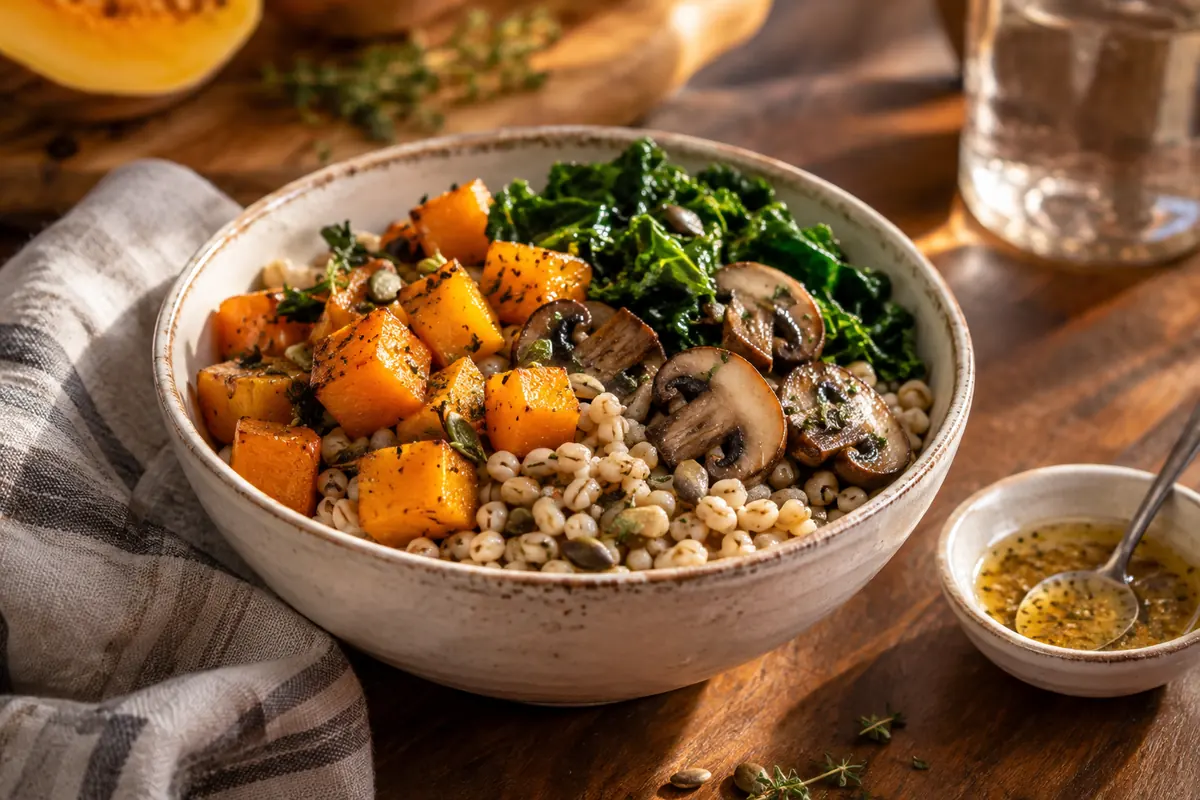
Serve the oats in a shallow bowl when a browned topping is the main attraction. Spread the soft base, set mushrooms or cooked greens across only part of it, and put the crisp finish on the exposed topping. This leaves some oats available for a plain spoonful and keeps every mouthful from becoming identical. A deeper bowl suits a looser, brothier preparation with beans. If dinner must wait, hold the components safely and loosen the oats near serving rather than assembling a full bowl that will thicken beneath its garnish.
Keep in mind
Plain rolled oats and steel-cut oats have different cooking times and textures.
Cook wet toppings separately when you want the oat base to remain creamy rather than diluted.